Hot Water Dispenser or Kettle: Which Fits Your Kitchen? (October 2026)
Choose a hot water dispenser for a large supply kept warm, or a kettle for smaller batches you heat as needed. Your serving habits, counter space and preferred temperatures decide which fits.
On this page (8 sections)
- Hot water dispenser or kettle: which suits your routine?
- How do capacity and refills compare?
- Which gives you more temperature choice?
- How much counter space should you allow?
- What does daily use look like?
- Which is easier to clean and maintain?
- Which should you choose for your kitchen?
- What is the best choice, hot water dispenser or kettle?
Choose a hot water dispenser for a large supply kept warm, or a kettle for smaller batches you heat as needed. The hot water dispenser or kettle choice depends on how often you make drinks, how much water you need at once and whether you want hot water waiting between servings.
A dispenser can suit a busy kitchen where several people make tea, coffee or other hot drinks throughout the day. A kettle takes up less space and lets you heat water in batches.
The Zojirushi CD-LFC40 holds 4 L and has four keep-warm settings. The Cosori kettle holds 1.7 L and offers preset and adjustable temperatures for heating water as needed.
 Best for a steady hot water supply
Zojirushi CD-LFC40 Micom Water Boiler 4L
 Best for smaller batches and varied drinks
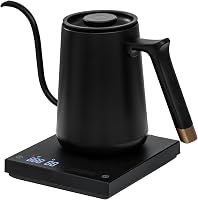
Cosori Stainless Temperature Kettle 1.7L
Hot water dispenser or kettle: which suits your routine?
Choose a dispenser for repeated servings; choose a kettle when you heat water only when you need it. Count how often you boil or heat water before deciding.
A 4 L boiler can hold more than twice the water of a 1.7 L kettle. That difference can reduce refill cycles in a household where hot drinks are made throughout the day.
A kettle may fit better if you usually make one or two drinks at a time. You don't need to reserve counter space for water you won't use.
When does an instant hot water dispenser make sense?
An instant hot water dispenser makes sense when you want to pour water without waiting for a new heating cycle each time. The Zojirushi CD-LFC40 keeps water warm at a selected setting while plugged in.
Its Quick Temp mode can keep water warm directly without bringing it to a boil. That can be useful if you prefer lower temperatures for some drinks.
The dispenser is 11.88 in long, 9.12 in wide and 11.5 in high. Measure the counter space and the area above it before choosing a place.
When is a kettle the simpler choice?
A kettle is simpler when you want to heat a smaller amount and put the appliance away or leave it unused between drinks. The Cosori holds 1.7 L and has an internal water level indicator.
Its five presets cover boiling, black tea, oolong tea, green tea and coffee. You can also adjust the temperature from 105°F to 212°F in ±5°F increments.
If fast boiling is your main concern, see our guide to quick boil electric kettles. The best choice still depends on batch size and how often you use it.
How do capacity and refills compare?
A 4 L dispenser holds more water between refills; a 1.7 L kettle may be enough for a few drinks at a time. Match capacity to your usual serving pattern rather than an occasional gathering.
For a household with several tea drinkers, a larger reserve can be convenient. A dispenser's Panorama Window water gauge helps you see the water level.
A smaller kettle can help limit how much water you heat for a single drink. Refill it when you need more, and avoid filling above its marked limit.
Our electric kettle size guide can help you estimate a useful capacity. Consider both the amount you use and how much counter room you can spare.
Which gives you more temperature choice?
The kettle offers a wider stated temperature range, while the dispenser offers set keep-warm temperatures. Choose by the temperatures you use and whether you need them ready on demand.
The Zojirushi's settings are 160°F, 175°F, 195°F and 208°F. It also has a Cafe drip dispensing mode for slower dispensing.
The Cosori kettle has five one-touch presets and adjustable temperature control from 105°F to 212°F. Its internal water level indicator helps you fill it for the amount you need.
For more on choosing settings for tea, read our guide to electric kettles with temperature control. If tea is your main reason for buying, check which temperatures match your usual leaves.
Is an instant hot water dispenser better for tea?
An instant hot water dispenser can suit tea drinkers who use its keep-warm settings. The Zojirushi's four settings cover several temperatures, including 160°F and 175°F.
A kettle with adjustable controls gives you more flexibility when you want a temperature between the dispenser's fixed options. The Cosori's adjustable range runs from 105°F to 212°F.
Neither temperature range tells you which setting is right for every tea. Choose a setting that matches the tea you brew, and check the tea maker's guidance when available.
How much counter space should you allow?
A kettle is the more compact option in this comparison; the dispenser needs room for its taller, larger body. Measure the appliance footprint and leave enough space to fill and serve it comfortably.
The Cosori measures 9.1 in long, 6.7 in wide and 10.2 in high. The Zojirushi measures 11.88 in long, 9.12 in wide and 11.5 in high.
These are appliance dimensions, not a full setup clearance. Allow room to open the lid, refill the appliance, reach its controls and pour without hitting a cabinet or wall.
If your kitchen has limited counter space, a kettle may be easier to place. If you have a fixed tea or coffee station, the dispenser's larger footprint may be acceptable.
What does daily use look like?
A kettle heats a batch when you ask; a dispenser is designed to keep a supply warm while plugged in. Consider how often you want to refill and whether you are comfortable keeping an appliance connected.
The Cosori includes a temperature control base and has a 60-minute keep-warm feature. Its two lid opening angles include a smaller opening to help limit splashes and a wider opening for cleaning and refilling.
The Zojirushi includes a detachable cord and swivels on its base. Its timer function can be set for 6 to 10 hours, according to the product description.
Follow each appliance's manual for filling, placement and operation. Don't leave a kettle or boiler running in a way its instructions don't allow.
Which is easier to clean and maintain?
Both need regular cleaning, and each has features that can help with access. Check the care instructions and consider how easy it is to reach the interior.
The Zojirushi has a nonstick interior and a descaling mode that uses Zojirushi citric acid cleaner. It is hand wash only.
The Cosori's wide lid opening makes cleaning and refilling easier to access. It is also hand wash only, and its stainless steel interior has no plastic parts in contact with water.
Mineral deposits can form when water is heated repeatedly. Our guide to white buildup in an electric kettle explains what it is and how to address it.
Which should you choose for your kitchen?
Pick the Zojirushi dispenser if you want 4 L kept warm for frequent servings; pick the Cosori kettle if you prefer smaller batches and broader temperature adjustment. Your serving frequency and counter space are the clearest decision points.
The Zojirushi is the stronger fit for a household that wants hot water ready throughout the day. Its larger capacity, four keep-warm settings and Quick Temp mode support that use.
The Cosori suits a kitchen that heats water in smaller amounts for different drinks. Its 1.7 L capacity and adjustable settings offer more flexibility when you don't need a standing supply.
For another large-capacity option, compare the best water boiler kettles. If you choose a standard kettle, our electric tea kettle guide covers the features to weigh.
What is the best choice, hot water dispenser or kettle?
Choose by how much hot water you use and how long you want it ready. For frequent servings and a larger reserve, choose a dispenser; for smaller batches and flexible temperatures, choose a kettle.
The Zojirushi CD-LFC40 is the better match for repeated pours from a 4 L supply. The Cosori kettle is the more suitable pick when a 1.7 L batch and adjustable temperatures fit your routine.
Frequently asked questions
Is a hot water dispenser better than a kettle?
A hot water dispenser is better when you serve hot drinks often and want a larger supply kept warm. A kettle is better for heating a smaller amount as needed, especially if you want a compact appliance.
Think about how many cups you make and whether you want water ready between servings.
Does a hot water dispenser keep water hot all day?
Some water boilers are designed to keep water warm while plugged in. The Zojirushi CD-LFC40 has four keep-warm settings and an optional Quick Temp mode, but how long you leave an appliance on should follow its manual and your household routine.
Which is better for tea temperature control?
Both can offer temperature choices. The Zojirushi has four keep-warm settings at 160°F, 175°F, 195°F and 208°F, while the Cosori kettle has five presets and adjustable settings from 105°F to 212°F.
Choose based on the temperatures you use most.
Does a kettle use less electricity than a hot water dispenser?
It depends on how much water you heat and how long a dispenser stays plugged in to keep it warm. A kettle heats water when needed, while a boiler can maintain a selected temperature.
Compare energy information for the exact appliances and consider your daily serving pattern.
How much capacity do I need for hot water?
A 1.7 L kettle can suit occasional cups or smaller batches, while a 4 L boiler can serve more people before a refill. Your usual number of cups, counter space and how often you want to refill matter more than choosing the largest capacity.