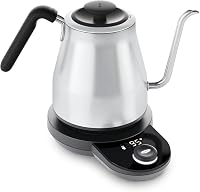
How to Make Tea in an Electric Kettle
To make tea in an electric kettle, heat water to the temperature your tea needs, pour it over the leaves, and steep off the heat. A variable-temperature kettle lets you set 160°F for delicate tea or 200°F and above for black and herbal teas.
On this page (12 sections)
- What temperature does each tea need?
- How do you make tea in an electric kettle step by step?
- Why shouldn't tea go inside the electric kettle?
- How much tea should you use per cup?
- Which electric kettle helps most when you make tea?
- Should you use presets or a thermometer?
- How do you keep the kettle clean enough for good tea?
- Does the kettle type affect the tea?
- Can you make tea and coffee from one kettle?
- How do you make tea in electric kettle setups for a crowd?
- What are the common mistakes to avoid?
- Which setup should you choose?
To make tea in an electric kettle, heat water to the right temperature for your tea, pour it over the leaves, and let the tea steep away from the heat. A variable-temperature kettle does the temperature part, and the rest happens in your mug or teapot.
The steps below work with almost any kettle, though presets make the timing guesswork disappear. Once you know the water temperature, leaf amount and steep time, the method holds for every tea you buy.
What temperature does each tea need?
Each tea type has a target range, and hitting it changes the taste more than any other step. Boiling water on green or white leaves pulls out harsh tannins, so a gentler number gives a smoother cup.
Delicate teas do best near 160°F. Green tea sits around 175°F, while white tea and oolong land in the 185°F to 190°F range.
Black and herbal teas take full boiling water, 200°F and up, because their leaves and roots release flavor slowly. If your kettle only boils, pour the water and wait 3 to 5 minutes before the first steep.
The preset lists on the two kettles below show how close a maker can get to these targets. The Cuisinart, for example, names 160°F for delicate tea, 175°F for green, 185°F for white, 190°F for oolong, and 200°F for French press.
That spacing matches the ranges above, so you can brew by preset name instead of memorizing numbers.
How do you make tea in an electric kettle step by step?
Fill, heat, pour, steep. Four steps cover the whole job, and none of them asks you to put tea inside the kettle itself.
- Fill the kettle with fresh cold water to a level above the heating plate.
- Set the temperature for your tea, or boil and let it cool.
- Pour the hot water over 1 teaspoon of loose leaf or one tea bag in a mug.
- Steep for the recommended time, then lift out the bag or strain the leaves.
Keep the lid closed while heating so the water reaches temperature faster. A clear glass body helps you see the water level before you pour.
A full 1.7-liter kettle reaches a boil in a few minutes at 1500 watts, so start the kettle before you set out the cups and leaves. That short wait is the whole prep window.
A quick pour note
A drip-less spout keeps the stream steady when you fill a mug to the brim. Pour slowly at first, then top up once the leaves settle.
Why shouldn't tea go inside the electric kettle?
Tea leaves and bags should never sit inside the kettle, because the residue coats the heating plate and walls. Tannins and oils build up with each brew and flavor the next pot of water.
The kettle heats water and nothing else. Brew in a mug, a teapot or a travel press, which you can rinse in seconds.
This rule also protects the kettle's sensor and filter. A filter in the spout catches stray leaves only if something spills, not as a brewing tool.
How much tea should you use per cup?
Start with 1 teaspoon of loose leaf or one tea bag for every 8 to 10 ounces of water. From there, adjust for the leaf size and how strong you like the cup.
Whole-leaf teas take more room, so a heaped teaspoon suits a 16-ounce pot. Broken leaves release flavor fast, so 1 level teaspoon covers the same volume.
Use a timer for the steep rather than walking away. Small differences in leaf amount matter less than a steep that runs too long.
Which electric kettle helps most when you make tea?
The pick for most readers is the Cosori, because 6 one-touch presets cover green through black tea. Its 1.7-liter body is glass with a stainless steel filter and a wide mouth for filling.
Boil-dry protection and auto shut-off round out the safety side, and the keep warm mode turns off with a 3-second press. Descale it with vinegar and water as Cosori describes.
Cuisinart's CPK-17P1 is the choice when you want preset temperatures spelled out, from 160°F for delicate tea to Boil for black tea. It adds a 30-minute keep warm and a memory feature that holds its place when you lift the kettle off the base for 2 minutes.
One small habit helps with either kettle. If you lift the Cosori body during heating with keep warm on, return it to the base within 1 minute and it picks the cycle back up.
The Cuisinart gives you 2 minutes for the same move, which covers a quick top-up at the sink.
For a deeper look at preset ranges and the trade-offs between them, read our guide to electric kettles with temperature control. That page compares settings and body types side by side.
Should you use presets or a thermometer?
Presets are easier, and a thermometer is cheaper. Both get you to the right number, so the choice comes down to how often you brew.
A preset kettle starts heating toward a set temperature with one touch. You don't have to watch a dial or count minutes as the water cools, which suits a busy morning.
A plain kettle plus a thermometer asks for a little attention. You boil, check the reading, and pour when it lands in your range, which is fine for one or two cups a day.
How do you keep the kettle clean enough for good tea?
Rinse and air-dry after every use, and descale when you see a film. Scale dulls the water taste and slows heating, so a white chalky ring at the base is your cue.
Pour out leftover water and leave the lid open. Once a month, or sooner in hard water, run a vinegar and water mixture as the maker describes.
For stubborn scale, the OXO solution works through the same mineral deposits without the vinegar smell. It's a 14-ounce bottle with enough for 3 uses.
Follow the label with your kettle's care steps, then boil fresh water twice before making tea again. Hand wash the Cosori body as its care notes ask.
Hard water leaves its mark on any kettle, and Cosori says spots or rust on the stainless steel bottom after the first use are normal in hard water areas. Wipe them as part of the descale and they stop building into a thicker layer.
Does the kettle type affect the tea?
It affects speed and pour, not the brew itself. Every kettle heats water, so flavor comes from the temperature and steep you choose.
A gooseneck spout gives a slow, aimed pour that suits pour-over coffee more than tea. A wide spout fills a mug fast, which is what most tea drinkers want.
If your kitchen has one distant outlet, check our picks for an electric tea kettle with a long cord so the kettle reaches the counter you use. Cord length matters more than most buyers expect before they unbox.
Can you make tea and coffee from one kettle?
Yes, with a rinse between them. Water alone leaves almost nothing behind, so the same kettle handles both drinks.
Brew coffee in a press or dripper, never inside the kettle. If you're curious about the coffee side, our answer to can I make coffee in an electric kettle walks through the full setup.
Rinse the kettle and leave it open between drinks. A shared kettle only carries flavor when something is brewed inside it, so keep the leaves and grounds out.
How do you make tea in electric kettle setups for a crowd?
Heat one full kettle and use a large pot, so every cup gets water at the same temperature. A 1.7-liter kettle fills about 7 standard mugs.
Warm the pot with a splash of hot water first, then empty it. That small step keeps the brew from cooling while the last cups are poured.
Set a second kettle to keep warm if the group wants refills. Presets hold the temperature while people take their time.
For a kitchen where tea is the main drink, our guide to choosing an electric kettle for tea lovers covers what to look for beyond temperature.
What are the common mistakes to avoid?
The big ones are boiling green tea, brewing inside the kettle, and skipping the steep timer. Each one costs flavor in a way that's easy to fix.
Don't leave a tea bag hanging in the mug for 20 minutes. The cup turns bitter, and no amount of milk hides it.
Don't skip descaling either. A scaled plate can make every cup taste flat even with good leaves and perfect timing.
Which setup should you choose?
Anyone searching for how to make tea in electric kettle will get the best start with a variable-temperature kettle and loose leaf or bags brewed outside it. The Cosori covers the most tea types from one device, and the Cuisinart suits brewers who want presets named for their teas.
A basic kettle and a thermometer still make good tea if you don't want presets. Keep the water clean, use the right temperature for the leaf, and time the steep.
Those three habits carry every cup, whether the kettle cost little or a lot.
Frequently asked questions
Can you boil tea bags in an electric kettle?
No. Boiling leaves or bags inside the kettle builds up tannins and flavor that are hard to rinse out, so the next pot tastes off.
Heat the water, then brew the tea in a mug or pot.
What temperature should water be for green tea?
About 175°F. Water at a rolling boil scorches green leaves and turns the cup bitter, so a preset or a quick cooling pause makes a cleaner-tasting brew.
Can I make tea in a kettle without a temperature setting?
Yes. Boil the water, then let it sit a few minutes to cool toward a gentler range before pouring.
A thermometer removes the guesswork if you brew green or white tea often.
Why does my electric kettle water taste odd?
Mineral scale on the heating plate and rim is the usual cause. Descaling with vinegar and water or a purpose-made solution clears the film and brings the water back to a neutral taste.
Do I need to dry the kettle after each use?
Dump leftover water and leave the lid open to air dry, which stops stale smells. A full dry-down only matters if the kettle sits unused for a while.