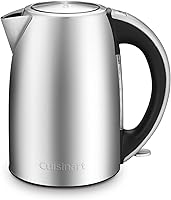
Why Is My Electric Kettle So Noisy?
An electric kettle is usually noisy because bubbles form as the water heats and vibrates against the kettle body. Mineral scale, a loose part, or a change in sound can also affect the noise.
On this page (7 sections)
- Why is my electric kettle so noisy when it boils?
- Can mineral scale make a kettle louder?
- What does a new rattling or clicking sound mean?
- How can you reduce normal kettle noise?
- When should you stop using a noisy kettle?
- How long does an electric kettle take to boil?
- What should you do about a noisy electric kettle?
An electric kettle is usually noisy because bubbles form as water heats and vibrates against the kettle body. Mineral scale, the way the kettle sits on its base, or a developing fault can also change its sound.
A steady hiss, rumble, or bubbling sound that grows louder near boiling is common. A new sound, repeated clicking, or noise paired with leaks or a burning smell deserves closer attention.
Why is my electric kettle so noisy when it boils?
Boiling bubbles create most of the sound in a working kettle. As water heats, bubbles form near the hot surface, rise, and collapse, creating a rumble that can carry through the kettle and countertop.
The sound often changes as the water warms. A low hiss may become a louder bubbling or rattling sound near boiling, then stop or fade when the kettle switches off.
Kettle shape, the amount of water, and the surface beneath it can affect how loud that sounds in your kitchen. If the sound is steady and the kettle heats and shuts off as expected, noise alone doesn't necessarily mean something is wrong.
Can mineral scale make a kettle louder?
Mineral scale can change boiling sounds by building up on the heating surface. Hard-water minerals may leave a white or chalky layer that changes how bubbles form and can make the kettle sound rougher.
Look inside after the kettle has cooled and been unplugged. If you see white buildup, read what the white buildup in an electric kettle is before cleaning it.
Follow the kettle manual for descaling directions and approved cleaners. Our guide to cleaning an electric kettle with vinegar explains the process for kettles whose instructions allow vinegar.
What does a new rattling or clicking sound mean?
A new rattle or repeated click is a reason to inspect the kettle, base, and nearby surface. First unplug it and let it cool, then check that it sits flat on its base and that nothing is touching or vibrating against it.
If the kettle has a removable filter, check that it is seated correctly only if the manual explains how to remove and replace it. Don't open the kettle or try to tighten internal parts.
A brief click as the kettle switches off can be normal. Stop using it if clicking repeats during heating or comes with irregular operation, leakage, smoke, sparks, a burning smell, or visible damage.
How can you reduce normal kettle noise?
You may be able to reduce some noise by removing scale and setting the kettle on a stable, level surface. Keep the kettle and base clean and dry, and follow the manual for the water level and cleaning routine.
A countertop can amplify vibration. If the kettle is wobbling, move it to a flat, dry surface and make sure the base is not resting on a loose mat or uneven edge.
Don't put a towel or other soft item beneath the base while the kettle is heating. The base needs a stable position, and its ventilation or safety instructions take priority.
Which kettle features may help with noisy boiling?
No kettle is guaranteed to be quiet based on its features alone. If replacing yours, compare the capacity, controls, and shape against your routine, and check the return and support terms before buying.
The Breville BKE830XL IQ Pure has a 1.7 L capacity, five preset temperature settings, and a soft top lid designed to release steam gently.
The Fellow Clyde Electric Kettle 1.5L has a 1.5 L capacity, an LED on/off switch, and a drip-free spout.
The Cosori Stainless Temperature Kettle 1.7L has five presets, adjustable temperature control, and an option to mute alert sounds. That sound option applies to its alerts, not necessarily the noise of boiling.
When should you stop using a noisy kettle?
Stop using the kettle if unusual noise comes with a leak, smoke, burning smell, sparks, or visible damage. Unplug it when safe, let it cool, and follow the manufacturer's support instructions.
Keep water away from the plug, cord, and base. Don't use a kettle with a damaged cord or a cracked body, and don't continue boiling it to see whether the problem goes away.
If the kettle only makes its usual boiling sound and shuts off normally, monitor it after cleaning and reseating it. If a new noise persists, contact the manufacturer or a qualified repair service.
How long does an electric kettle take to boil?
Boil time varies with the water amount, starting temperature, and kettle. A longer or shorter boil can change how long you hear bubbling, but timing alone doesn't diagnose a fault.
For typical timing factors and ways to compare boil times, see how long an electric kettle takes to boil. Follow your own kettle's fill marks and instructions.
If the kettle's sound changes while its boil time also changes, check for scale and make sure it sits securely on its base. Persistent changes are a good reason to consult the manual or manufacturer.
What should you do about a noisy electric kettle?
Treat steady bubbling near boiling as normal, then check for scale or a loose fit if the sound changes. Clean only as the manual allows, and stop using the kettle if the noise comes with a safety concern.
Choose a replacement by the features you need: the Breville offers preset temperatures and a soft top lid, the Fellow has a simple on/off switch, and the Cosori offers adjustable temperature control and muteable alerts. For general upkeep, see how long electric kettles last.
Frequently asked questions
Why is my electric kettle suddenly louder?
A sudden change can come from mineral scale, a kettle that isn't seated flat on its base, or a new vibration from a loose part. Unplug it, let it cool, and check the base and removable filter if your manual allows.
Stop using it if you notice leaks, burning smells, sparks, or damaged parts.
Does limescale make a kettle louder?
Scale can collect on the heating surface and change how bubbles form, which may make boiling sound rougher or louder. If you see white or chalky buildup, descale the kettle according to its manual.
Our guide to white buildup explains what it is and how to remove it.
Is it normal for an electric kettle to click?
A click when the kettle switches off can be part of its normal operation. Repeated clicking during heating, especially with interrupted boiling, may point to a control or seating issue.
Check the manual and stop using the kettle if the sound comes with a burning smell, leakage, or visible damage.
Should I stop using a noisy kettle?
Ordinary bubbling and a brief shutoff click are usually expected. Stop using the kettle if the noise is new and accompanied by leaks, smoke, a burning smell, sparks, or a damaged cord or base.
Unplug it when safe, let it cool, and contact the manufacturer or a qualified repair service.