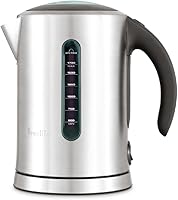
How to Clean an Electric Kettle With Vinegar
To clean an electric kettle with vinegar, mix equal parts white vinegar and water, heat the mixture, and let it sit before rinsing well. Check your kettle manual first, since it may give a different descaling method.
On this page (8 sections)
- How do you clean an electric kettle with vinegar?
- Should you boil the vinegar and water?
- How do you remove the vinegar smell?
- What if vinegar does not remove the white buildup?
- Can you use lemon juice instead of vinegar?
- How often should you descale an electric kettle?
- When should you stop using vinegar?
- Which cleaning method should you choose?
To clean an electric kettle with vinegar, mix equal parts white vinegar and water, heat the mixture, and let it sit before rinsing well. Check your kettle manual first, since it may give a different descaling method.
Vinegar can loosen mineral scale left by hard water, but it needs time to work. Keep the liquid below the kettle's maximum fill line, protect the electrical base from water, and rinse away the odor before using the kettle again.
How do you clean an electric kettle with vinegar?
Use a diluted vinegar soak, then rinse and dry the kettle. The manual comes first because some materials or parts may have care limits.
- Unplug the kettle and let it cool.
- Empty it, then add equal parts white vinegar and water, enough to cover the scale.
- Keep the liquid below the maximum fill mark.
- Heat the mixture only if the manual allows it.
- Let it sit for about 20 minutes, or follow the manual's timing.
- Pour out the mixture and wipe loosened scale with a soft cloth.
- Rinse the interior several times with fresh water and dry the outside.
Don't immerse the kettle, cord, or base. Avoid getting water into the electrical connection or any steam channel.
Should you boil the vinegar and water?
Heat the mixture only if your kettle manual permits it. Some cleaning directions call for heating, while others may specify a soak or another method.
If heating is allowed, don't fill above the maximum line. Stay nearby, and let the kettle cool before pouring out the solution.
Warm vinegar has a strong smell, so open a window or turn on ventilation. Never add cleaning products to vinegar, and don't mix it with bleach.
For general operation and safe filling, see how to use an electric kettle. The manual's cleaning instructions take priority over general advice.
How long should the vinegar soak?
Start with about 20 minutes after heating, then check the scale. A light film may loosen sooner, while thicker deposits can take longer.
If scale remains, repeat once if the manual allows it. Avoid leaving vinegar in the kettle overnight unless the manufacturer specifically permits that.
How do you remove the vinegar smell?
Rinse the kettle several times, then boil and discard one batch of fresh water if the manual allows it. This helps clear lingering odor and taste before the next drink.
Wipe the rim and spout with a clean damp cloth, since vinegar can cling to those areas. Let the lid stay open while the kettle dries.
If the smell remains, rinse again rather than adding soap or another cleaner to the vinegar. For a kettle with stubborn odor or damage, check the care instructions before using it.
What if vinegar does not remove the white buildup?
Try one more permitted soak, then consider a descaling solution made for kettles. White deposits are often mineral scale; our guide to white buildup in an electric kettle explains common causes and what to check.
OXO says its solution breaks down scale and leaves no residue after use. Follow its directions and your kettle manual, especially for the amount to use and how to rinse.
Durgol's directions say to consult the appliance manual before descaling. Use it only if the instructions suit your kettle, and keep it away from other cleaners.
Don't scrape hard deposits with a knife, metal spoon, or abrasive pad. These can scratch the surface or damage a coating.
Can you use lemon juice instead of vinegar?
Lemon juice may be an alternative if your kettle manual allows it. The Cosori kettle's care instructions describe filling with 1 cup of vinegar or lemon juice and 2 cups of water, heating the liquid, letting it sit for 2 hours, then wiping and rinsing.
That cleaning method is specific to this Cosori model; don't assume the same quantities or soak time suit another kettle. Cosori also says to hand wash the kettle.
If you are choosing a kettle, compare electric kettles with no plastic inside and check the cleaning directions for the model you want.
How often should you descale an electric kettle?
Descale when mineral scale appears or when your manual recommends it. The interval depends on your water and how often you use the kettle.
Check the base and interior for chalky white marks, and rinse after each cleaning cycle. If scale returns quickly, your local water may be hard; the kettle manual can help you choose an appropriate routine.
A kettle that takes longer to boil or makes more noise may have scale, but those signs can have other causes too. Read why an electric kettle gets noisy before assuming cleaning will fix it.
When should you stop using vinegar?
Stop if the manual forbids vinegar or if the kettle shows damage, leaks, or unusual behavior. Contact the manufacturer for model-specific care advice.
Don't use vinegar on the electrical base or cord, and don't submerge the kettle. If the kettle has a removable filter, clean it only as the manual directs.
For an older appliance with recurring problems, how long electric kettles last can help you weigh continued care against replacement.
Which cleaning method should you choose?
For light scale and a kettle manual that permits it, use a diluted vinegar soak and rinse thoroughly. For stubborn deposits, choose a kettle-approved descaler and follow its directions; use lemon juice only when the manual allows it.
The practical rule is simple: let the manual set the method, keep liquid away from electrical parts, and never mix cleaners. After descaling, rinse until no smell or taste remains.
Frequently asked questions
How much vinegar should I use to clean an electric kettle?
Use enough equal parts white vinegar and water to cover the scaled area, while staying below the kettle's maximum fill line. Check the manual for approved cleaning steps and any limits on vinegar.
If you can't find instructions, start with a mild mix and rinse thoroughly afterward.
How long should vinegar sit in an electric kettle?
Let the heated vinegar and water sit for about 20 minutes, then check whether the scale has loosened. Thick deposits may need another cycle, but don't leave vinegar in the kettle overnight unless its manual says that's safe.
Rinse well before heating water for drinking.
Can I boil vinegar in an electric kettle?
Some kettle cleaning methods heat a vinegar and water mix, but the appliance manual should decide whether that is suitable for your model. Don't fill past the maximum mark, and stop heating if the kettle behaves unusually.
Ventilate the room, since warm vinegar has a strong smell.
What if vinegar does not remove kettle scale?
Repeat the vinegar soak once if the manual permits it, then wipe loosened deposits with a soft cloth. Don't scrape with metal or abrasive pads.
For stubborn scale, use a descaler approved for your kettle and follow both the product directions and the appliance manual.