Electric Kettle vs Microwave for Heating Water: Which Is Better? (October 2026)
Choose an electric kettle for repeatable boiling and a microwave for small amounts when you already have one nearby. The better option depends on how much water you need and how you plan to use it.
On this page (8 sections)
- Electric kettle vs microwave: which should you choose?
- How do the heating methods differ?
- Which option suits tea and coffee?
- Which is more efficient for heating water?
- Which is easier to use and clean?
- What safety points matter with either method?
- Which kettle fits if you choose a kettle?
- Electric kettle vs microwave: what's the practical verdict?
Choose an electric kettle for repeatable boiling and a microwave for small amounts when you already have one nearby. The electric kettle vs microwave choice depends on the amount of water, the control you want and what you plan to make.
A kettle gives you a dedicated container, a pour spout and, on some models, clear fill markings and automatic shutoff. A microwave heats water in a separate microwave-safe vessel, which you then remove and carry.
Neither method is automatically the best for every kitchen. Use the amount you heat most often and the way you serve it to guide your choice.
 Best for plastic-free water contact
Cosori Stainless Kettle 1.7L Plastic-Free
Electric kettle vs microwave: which should you choose?
Pick a kettle for routine boiling and a microwave for occasional small portions. A kettle is built around heating and pouring water, while a microwave lets you warm water in a cup or bowl you already own.
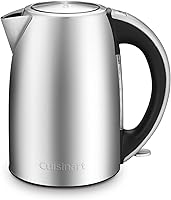
For tea, French press coffee or hot cocoa, a kettle can bring several servings of water to a boil in one batch. The Cuisinart JK-17P1 and Cosori Stainless Kettle each hold 1.7 liters and use 1500 watts.
A microwave can suit a mug of water when you don't want to fill a kettle. Its capacity depends on the vessel and the microwave-safe space available, so check both before heating.
The comparison isn't a promise that one will always boil faster or cost less to run. Water volume, starting temperature and appliance settings affect the result.
How do the heating methods differ?
A kettle heats water in its own pot, while a microwave heats water in a separate container. That difference affects pouring, measuring and cleanup.
An electric kettle usually has a fill opening, a spout and a base or corded connection. Many models mark the water level, so you can add roughly what you need and pour from the same vessel after boiling.
With a microwave, you choose a suitable cup or bowl, add water and heat it in the appliance. You then remove the vessel, which can be hot, and carry it to your drink or recipe.
A kettle keeps the heating container and serving step together. A microwave gives you flexibility to heat in different microwave-safe containers, but you need to choose and handle each one carefully.
Is it easier to measure water in a kettle or microwave?
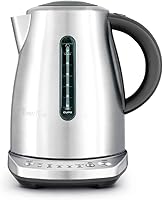
A kettle with visible fill marks makes it easier to see how much water you're heating. The Cuisinart has a blue backlit water window with markings, while the Cosori uses internal water level markings.
Microwave vessels vary. A measuring cup may have volume marks, but a mug may not, and the microwave itself doesn't tell you how much water is inside.
For one mug, either method can work. For several drinks, fill marks can help you avoid heating much more water than you need.
Which option suits tea and coffee?
Choose a kettle when you want a simple pour for several cups; choose a microwave when warming one cup is the whole task. If water temperature matters for your tea, look for a kettle with temperature control.
Both featured kettles are designed to bring water to a boil, and neither has temperature settings. That makes them straightforward for boiling water, but they don't let you select a lower temperature for a specific tea.
A microwave can heat water for tea, but heating a cup isn't the same as controlling its final temperature. Stirring and checking with a suitable thermometer can help you judge the water, though that adds a step.
For green tea, use our guide to the best water temperature for green tea. If you want preset heat levels, compare the options in our guide to electric tea kettles with temperature control.
What about coffee?
A kettle works well when you need hot water for a French press or pour-over. The Cuisinart's 1.7-liter capacity is suited to heating a batch, while a microwave may be more convenient for one cup of water.
Pour-over coffee often benefits from a controlled pour. A gooseneck spout can give you more control than a standard kettle spout, so see our guide to gooseneck kettles for pour-over coffee.
Neither method replaces brewing the coffee itself. Heat water, then use the brewing method you prefer.
Which is more efficient for heating water?
The more efficient choice depends on how much water you heat and how long each appliance runs. Wattage by itself doesn't settle the comparison.
Both kettles here are rated at 1500 watts. That figure describes their power, not the exact energy used for every boil, because heating time and water amount matter too.
A microwave's energy use varies by its power setting and heating duration. For a fair comparison, heat the same amount of water from the same starting temperature and compare the energy used, if you have a suitable meter.
For a kettle-specific look at energy use and the factors that affect it, read whether an electric kettle is more efficient than a stove. Our guide to how much electricity a kettle uses covers the kettle side of that question.
Which is easier to use and clean?
A kettle is simpler when you regularly heat water; a microwave may take less setup for one quick mug. Choose the method that fits your usual routine and how you prefer to clean up.
The Cuisinart has an easy-open lid, a removable scale filter and a dripless spout. Its cordless base rotates 360 degrees, and its auto shutoff and boil-dry protection support everyday operation.
The Cosori has internal water markings, a stainless steel spout, inner lid and filter, plus automatic shutoff and boil-dry protection. Both kettles call for hand washing.
A microwave-safe cup is easy to rinse, but spills can leave residue inside the microwave. Wipe them up when the interior is cool and follow the appliance's cleaning instructions.
Kettles can collect mineral scale over time, depending on your water. Both featured models have removable or cleanable parts, and the Cosori's care instructions describe a vinegar or lemon-juice cleaning method.
What safety points matter with either method?
Treat both the water and its container as hot after heating. Use a stable vessel, keep hands clear of steam and follow the appliance manual.
A kettle's automatic shutoff can stop heating after water reaches a boil. The Cuisinart also has boil-dry protection, and the Cosori has an automatic shutoff system.
Microwaved water can be very hot even when the surface looks calm. Use care when moving the cup, and follow the microwave maker's guidance for containers and heating liquids.
Don't leave a kettle unattended if its instructions say otherwise, and don't fill it above its marked maximum. For more practical guidance, see how to use an electric kettle.
Which kettle fits if you choose a kettle?
Choose the Cuisinart for everyday boiling features; choose the Cosori if stainless steel water-contact parts are your priority. Both have 1.7-liter capacity and 1500 watts.
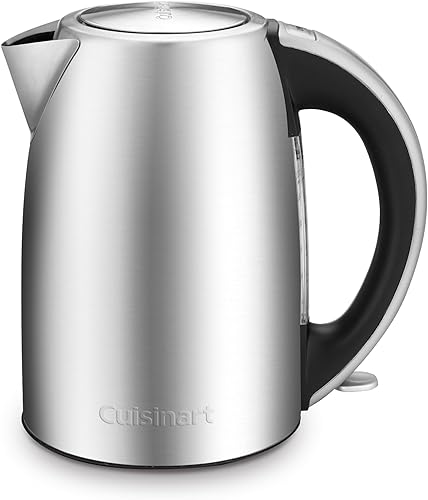
The Cuisinart JK-17P1 has a stainless steel interior and exterior, a marked blue backlit water window, a removable scale filter and a 360-degree cordless base. It also includes auto shutoff and boil-dry protection.
The Cosori Stainless Kettle has a stainless steel interior, spout, inner lid and filter. Its internal marks show the fill level, and its blue LED turns off when boiling is complete.
Neither model has temperature selection, so consider a temperature-control kettle if you regularly brew teas below boiling. Our electric tea kettle guide covers capacity, materials and features to compare.
Electric kettle vs microwave: what's the practical verdict?
Pick a kettle if you boil water often, serve more than one person or want a dedicated pouring vessel. Pick a microwave if you usually heat one small portion and already have a suitable cup.
If you want a full-size kettle, the Cuisinart offers marked fill levels and a removable filter, while the Cosori focuses on stainless steel parts that contact water. If you're still deciding whether the appliance belongs in your kitchen, compare electric and stovetop kettles next.
For repeated boiling, choose the kettle. For a one-off mug, use whichever method fits your kitchen and lets you handle the hot water safely.
Frequently asked questions
Is an electric kettle better than a microwave for boiling water?
An electric kettle is usually easier for boiling a larger amount because it has a dedicated water container, marked fill levels and automatic shutoff. A microwave can heat water in a microwave-safe cup, but you need to watch it and handle the hot vessel carefully.
The best choice depends on your amount and routine.
Which heats water faster, a kettle or a microwave?
It depends on the amount of water, microwave power, kettle wattage and starting temperature. The Cuisinart and Cosori kettles each have 1500W, but that alone doesn't predict an exact boil time.
Compare real timing for the amount you usually heat, or see our guide to how long an electric kettle takes to boil.
Does a kettle or microwave use less electricity?
There isn't a universal winner for every amount and appliance. Energy use depends on input power, heating time, amount of water and how much heat escapes.
For a useful comparison, measure the time and energy used for the same quantity, then see our guide to whether an electric kettle is more efficient.
Can you heat water for green tea in a microwave?
Yes, you can heat water for green tea in a microwave, but it can be harder to stop at a specific temperature. A kettle with temperature control makes that step easier.
Check our guide to the best water temperature for green tea if you want a target before brewing.
Is kettle water safer than microwave water?
Both methods can produce hot water that burns, so use a stable container and handle it carefully. Follow your microwave's instructions for suitable vessels, and avoid overheating water in a smooth cup.
A kettle's automatic shutoff helps end its heating cycle, but it doesn't make the water safe to touch.