Is an Electric Kettle More Efficient Than a Stove?
An electric kettle is usually more efficient for heating water because it sends heat directly into the water, while a stove also heats the burner and pot. The difference depends on the appliance, amount of water, and how you use it.
On this page (8 sections)
- Is an electric kettle more efficient than a stove?
- What affects how much energy boiling water takes?
- Does a gas or electric stove change the comparison?
- How can you compare the energy cost at home?
- Does a temperature-control kettle save energy?
- When does a stovetop pot make more sense?
- Which habits reduce wasted energy?
- Which option should you choose?
An electric kettle is usually more efficient for heating water than a stove because it heats the water directly, while a stove also warms the burner and pot. The best choice depends on how much water you need, your energy rates, and whether you already have a pot on the stove.
For a single mug or a few cups, use a kettle that lets you heat a small, safe amount. If you already have a pot heating for a meal, using it may be more convenient than starting another appliance.
Is an electric kettle more efficient than a stove?
Usually, yes, for heating water on its own. A kettle's heating element sits inside or beneath the water, while a stovetop burner sends some heat around the pot and into the room.
That general advantage doesn't give one exact efficiency figure for every home. Results vary with the stove type, pot size and shape, burner setting, kettle design, batch size, and how much water you actually use.
An electric kettle also turns off when the water boils on many models, which can help avoid leaving a burner on longer than needed. Follow the appliance instructions, and don't leave heating equipment unattended.
What affects how much energy boiling water takes?
The amount of water is one of the biggest factors. Heating more water takes more energy, so filling a kettle to its maximum for one cup wastes energy compared with heating the amount you need.
The kettle's power rating affects how quickly it can heat water, but wattage alone doesn't tell you the energy used for a boil. A higher wattage can mean faster heating, while the total energy also depends on the quantity and starting temperature of the water.
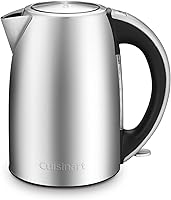
A kettle with a 1.7-liter capacity, such as the Cuisinart JK-17P1, can serve several cups or a French press. Its 1500-watt heating element and water-level markings can help you match the fill to the task.
To estimate its electricity use, see how much electricity a kettle uses. For timing, how long an electric kettle takes to boil explains why fill amount and starting temperature matter.
Does a gas or electric stove change the comparison?
Yes, the stove type changes the comparison, but a direct result depends on the appliances and your energy rates. A gas flame can send heat around the sides of a pot, while an electric coil or smooth-top burner warms the pot through contact with the cooking surface.
Use a pot that fits the burner and keep the flame or heat setting no higher than needed. A lid can reduce heat loss while water warms, but take care when removing it because steam can burn.
An electric kettle uses electricity, so its running cost depends on your utility's electricity rate. A gas stove uses gas, and comparing costs means checking the rate you pay for that fuel too.
For a closer comparison of kettle styles, read electric or stovetop kettle: which suits you?. That guide focuses on appliance choice and daily use.
How can you compare the energy cost at home?
Compare the energy used for the same amount of water, then apply your local utility rates. A kettle's label or manual may give its power in watts; your utility bill shows what you pay per unit of energy.
For an electric kettle, multiply its kilowatts by the time it runs in hours to estimate kilowatt-hours. For a stove, an estimate is harder because burner input and heat transfer vary; use appliance documentation or a suitable energy meter if you need a closer figure.
Don't compare the kettle's electricity cost with a stove's gas cost using the same unit price. Gas and electricity rates differ, and your bill may include fixed charges that don't change with one boil.
Does a temperature-control kettle save energy?
It can avoid heating water to a full boil when your drink needs a lower temperature. That only saves energy when you choose a lower setting and use the water soon, rather than boiling it and keeping it warm.
The Cosori Stainless Temperature Kettle 1.7L has five presets, including green tea and coffee, plus adjustable temperature control. Those settings can suit someone who makes drinks at different temperatures.
Temperature control is useful for flavor and convenience, but it doesn't automatically make every boil more efficient. For tea-specific guidance, see the best water temperature for green tea.
When does a stovetop pot make more sense?
A stovetop pot is practical when it's already being used for cooking or when you need hot water alongside a meal. Using existing cookware may be simpler than filling and cleaning another appliance.
For repeated cups throughout the day, think about how often you need hot water and how long it would sit unused. A large keep-warm boiler can reduce repeated boils for frequent use, but holding water hot also consumes energy.
The Zojirushi CD-LFC40 Micom Water Boiler 4L holds 4 liters and offers four keep-warm temperature settings. Its optional Quick Temp mode keeps water warm without first bringing it to a boil.
Choose a boiler for convenient repeated access, not as an automatic energy-saving upgrade. If you need only one or two cups at a time, a smaller kettle may better fit your routine.
Which habits reduce wasted energy?
Measure the water you need and turn off the heat as soon as it's ready. For kettles, stay above the minimum fill mark and below the maximum; for a pot, use a close-fitting lid and a suitable burner.
- Pour only the amount you'll use.
- Descale the kettle when mineral buildup appears, following its instructions.
- Avoid reheating water that has already cooled unless you need it.
- Don't use an oversized burner or leave it running after the water is hot.
The kettle's mineral scale can affect care and heating over time. Learn what the white buildup in an electric kettle is and how to clean an electric kettle with vinegar.
Which option should you choose?
Choose an electric kettle for separate, small-to-medium batches of hot water; use the stove when a pot is already part of your cooking. To make the most of either option, heat only what you need and compare costs using your own energy rates.
Pick a temperature-control kettle if you often brew tea or coffee below boiling, and consider a keep-warm boiler if several people need hot water throughout the day. If you're still deciding between heating methods, compare an electric kettle and microwave for heating water.
Frequently asked questions
Is an electric kettle cheaper to run than a stove?
It can use less energy to heat the same amount of water, but the cost depends on your local electricity and gas rates and on the appliances' efficiency. Compare the energy each uses for your usual batch, then multiply by your utility rate to estimate the cost.
Does an electric kettle use less energy than a gas stove?
Often, an electric kettle transfers heat to water more directly than a gas burner does, which loses heat around the pot. The exact result depends on burner size, flame adjustment, pot fit, kettle design, and how much water you heat.
Is it more efficient to boil only the water you need?
Yes, heating only the amount you'll use avoids spending energy on extra water. Check the kettle's minimum fill mark and measure your serving; don't operate it below its required minimum.
Can a kettle keep water hot efficiently?
Keeping water warm uses energy over time, so reheating a small amount when needed may suit occasional cups. A boiler with a keep-warm setting can be useful when you draw hot water often, but its ongoing use depends on the appliance and your routine.